Redevelopment of a former industrial laundry into an exhibition center
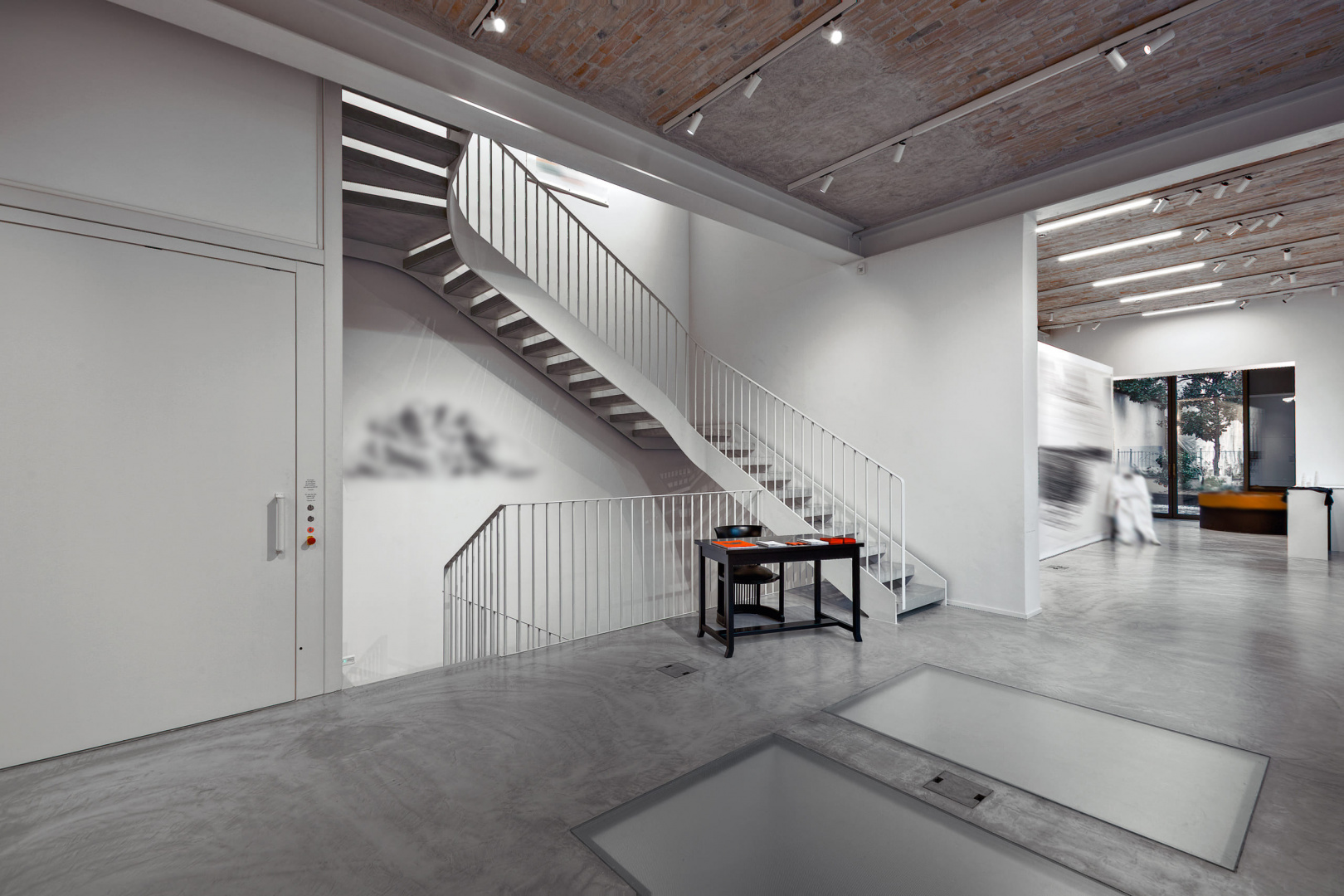
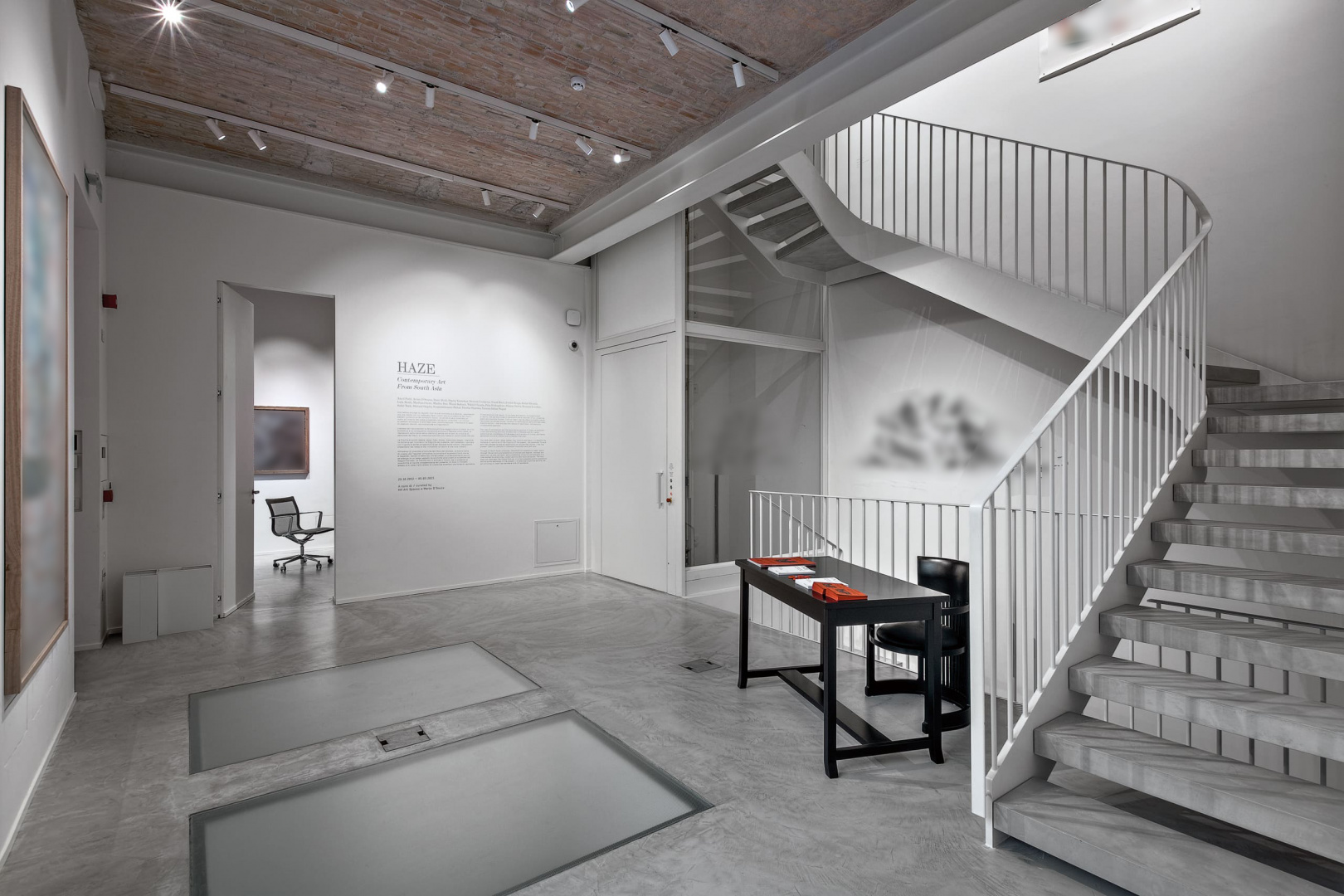
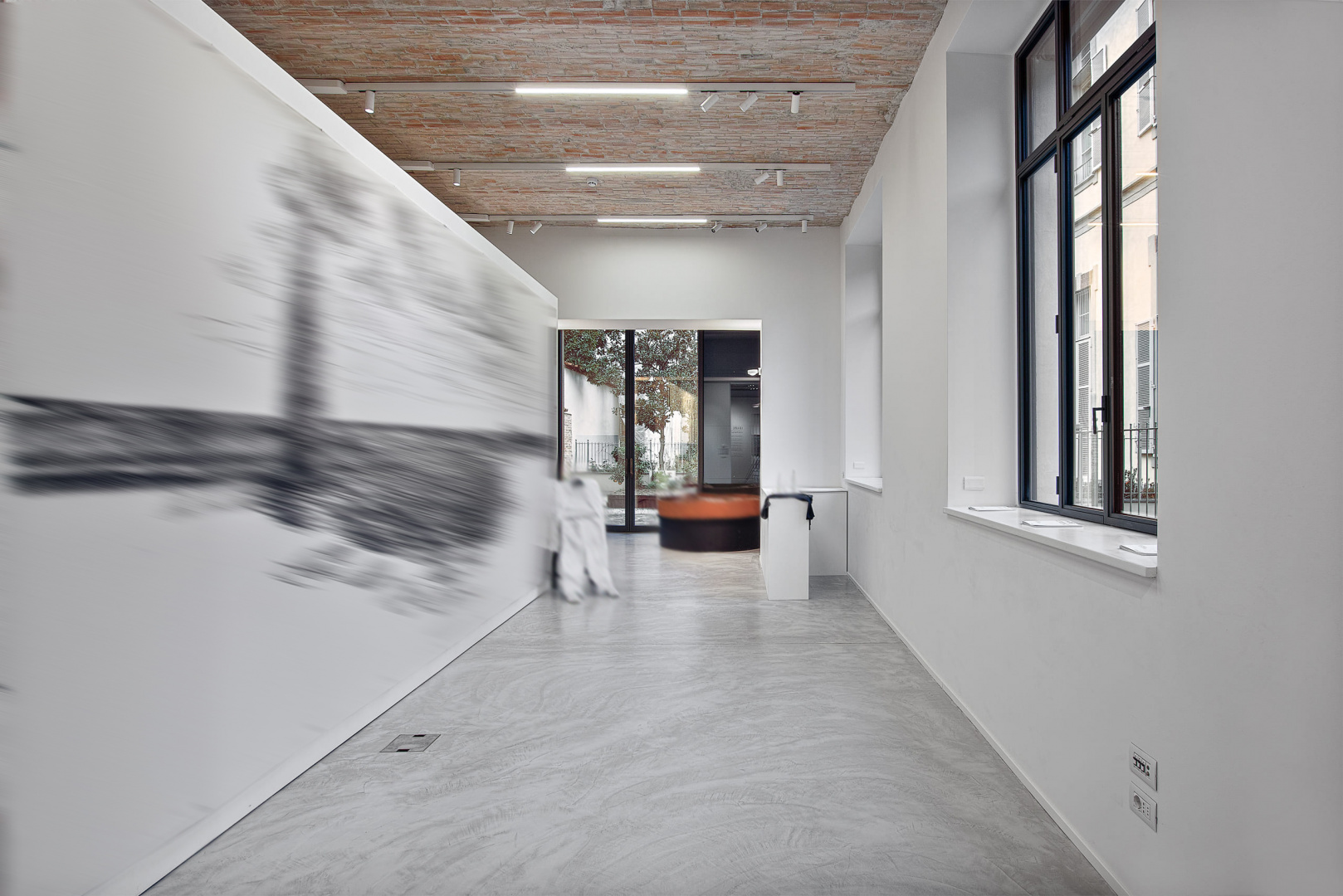
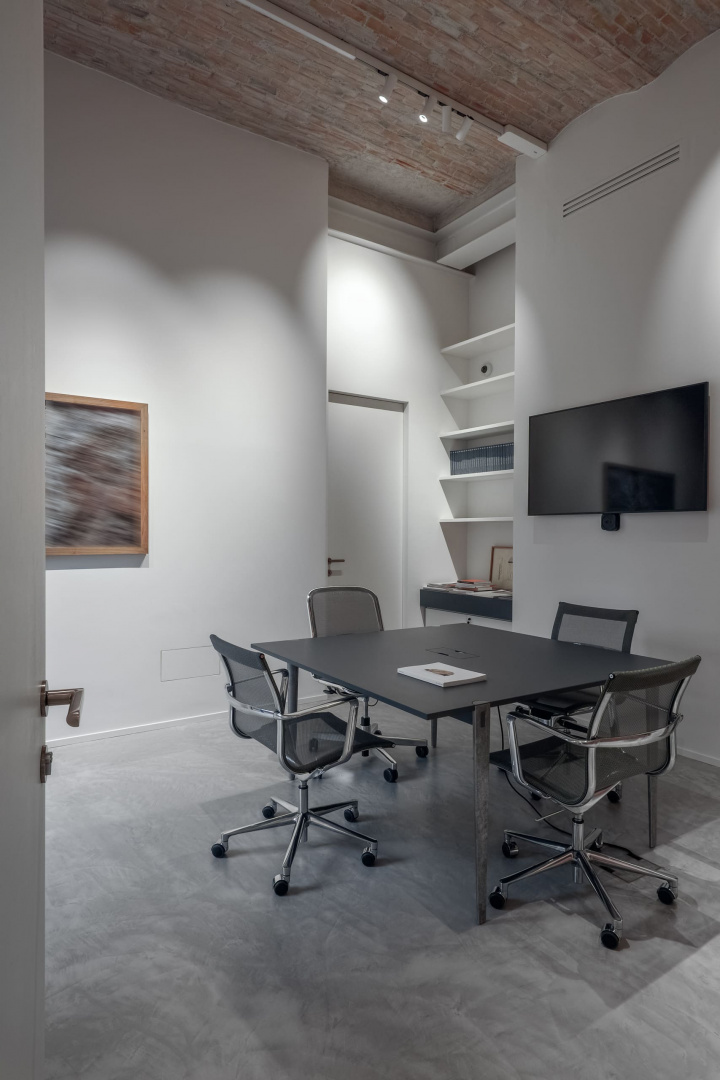
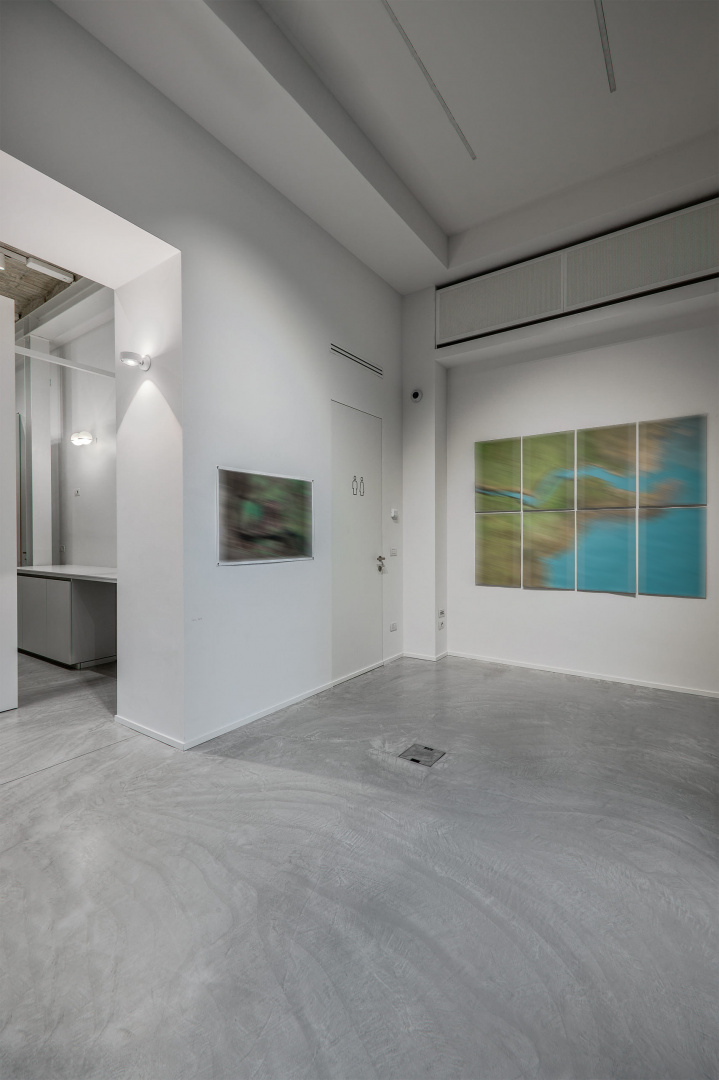
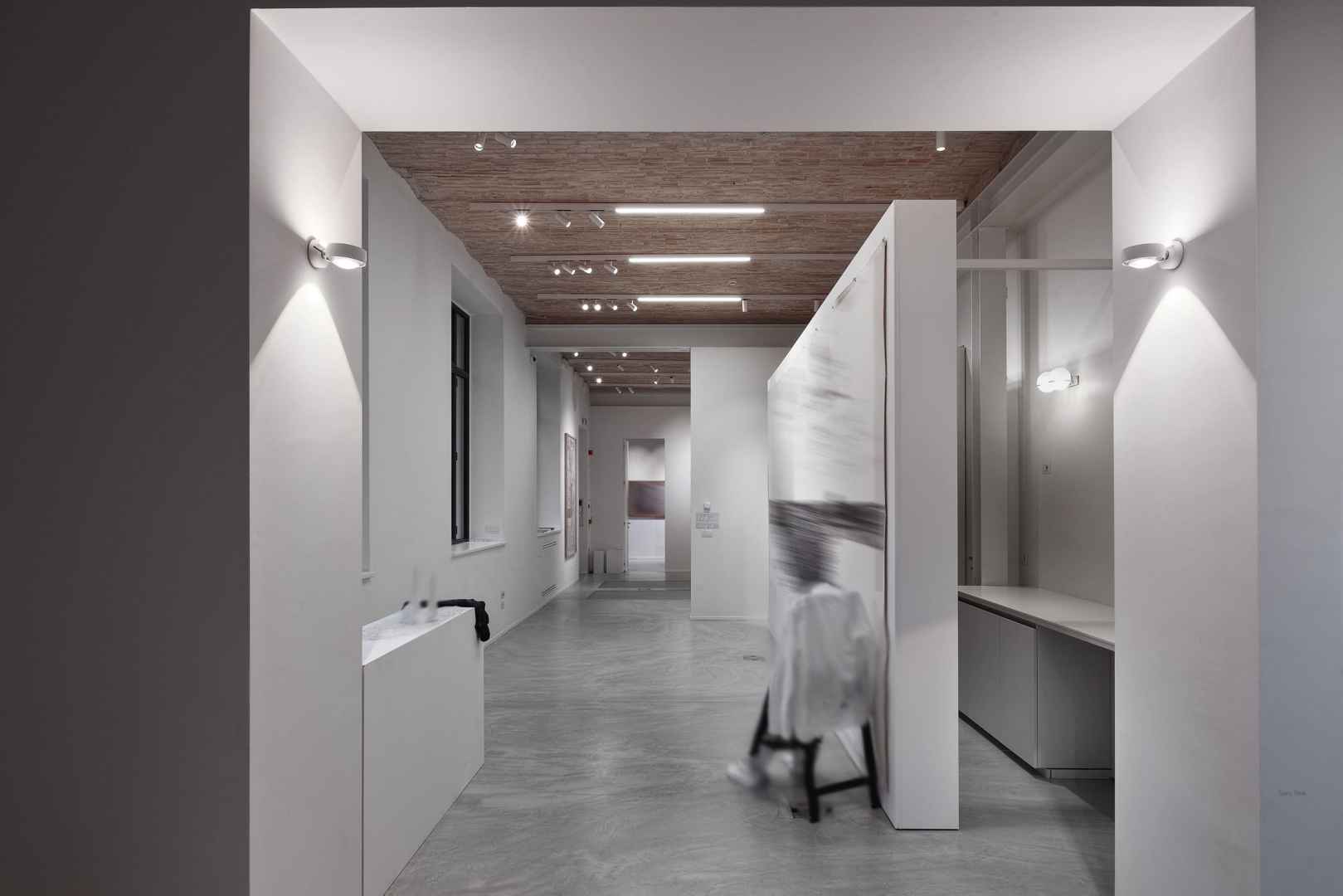
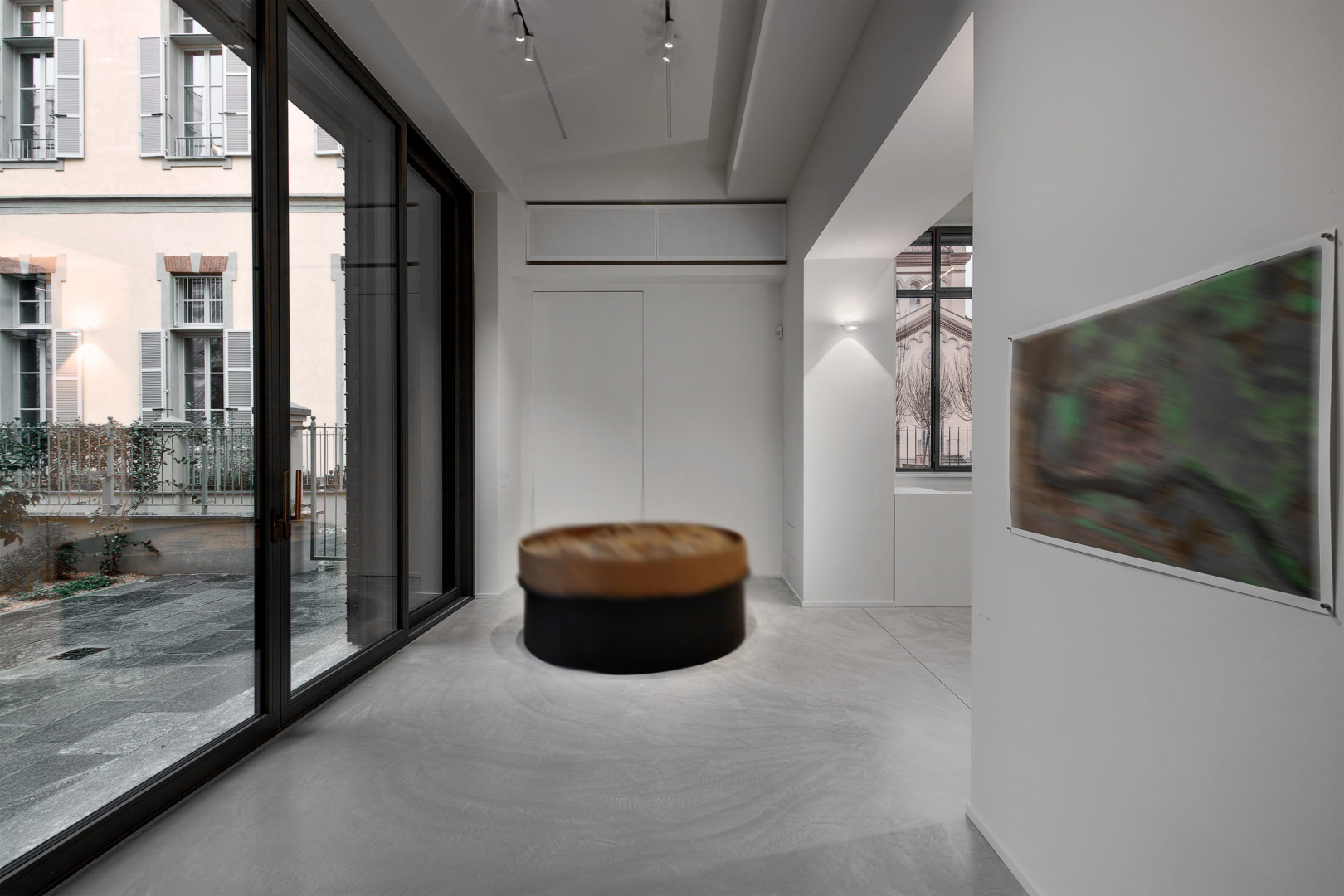
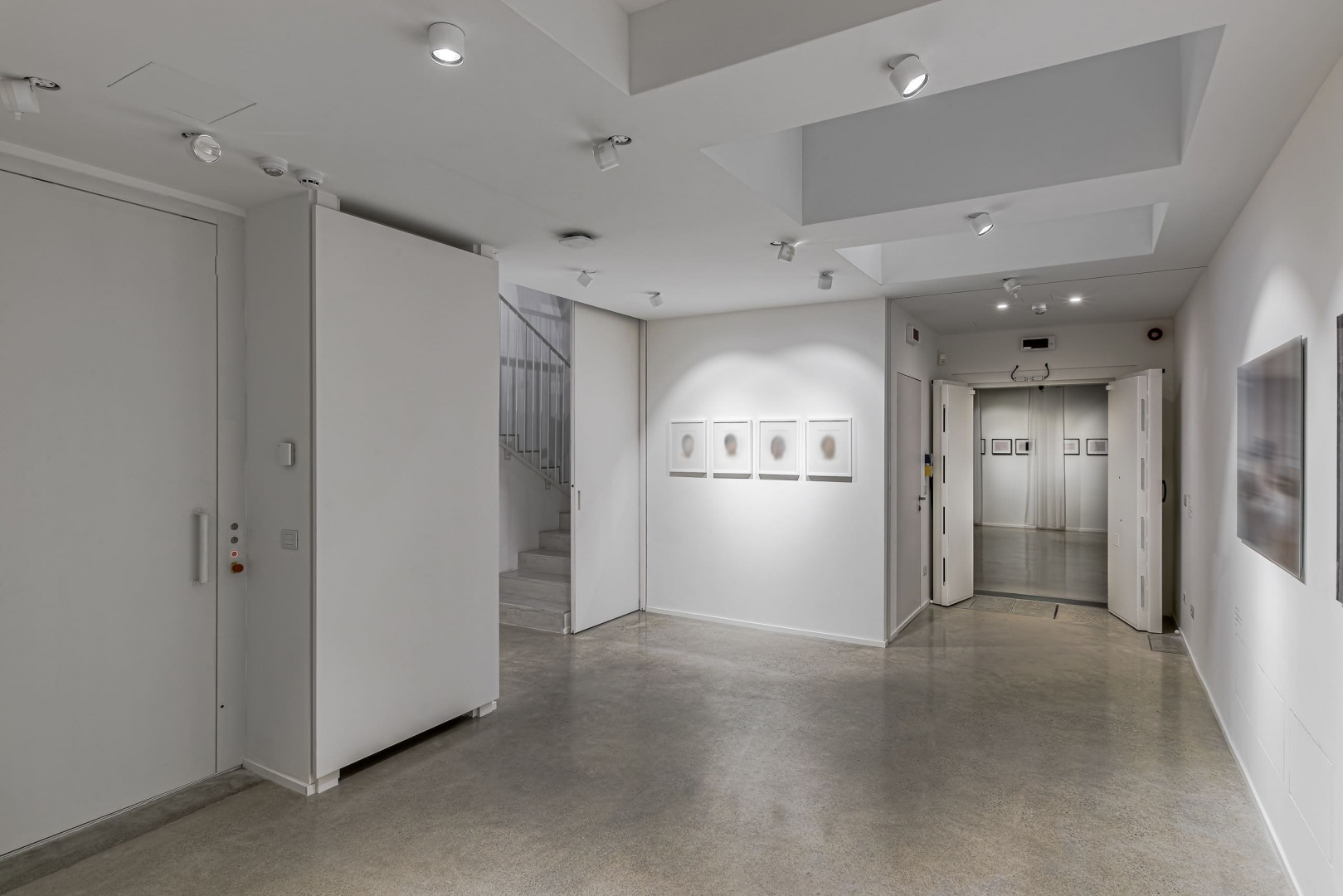
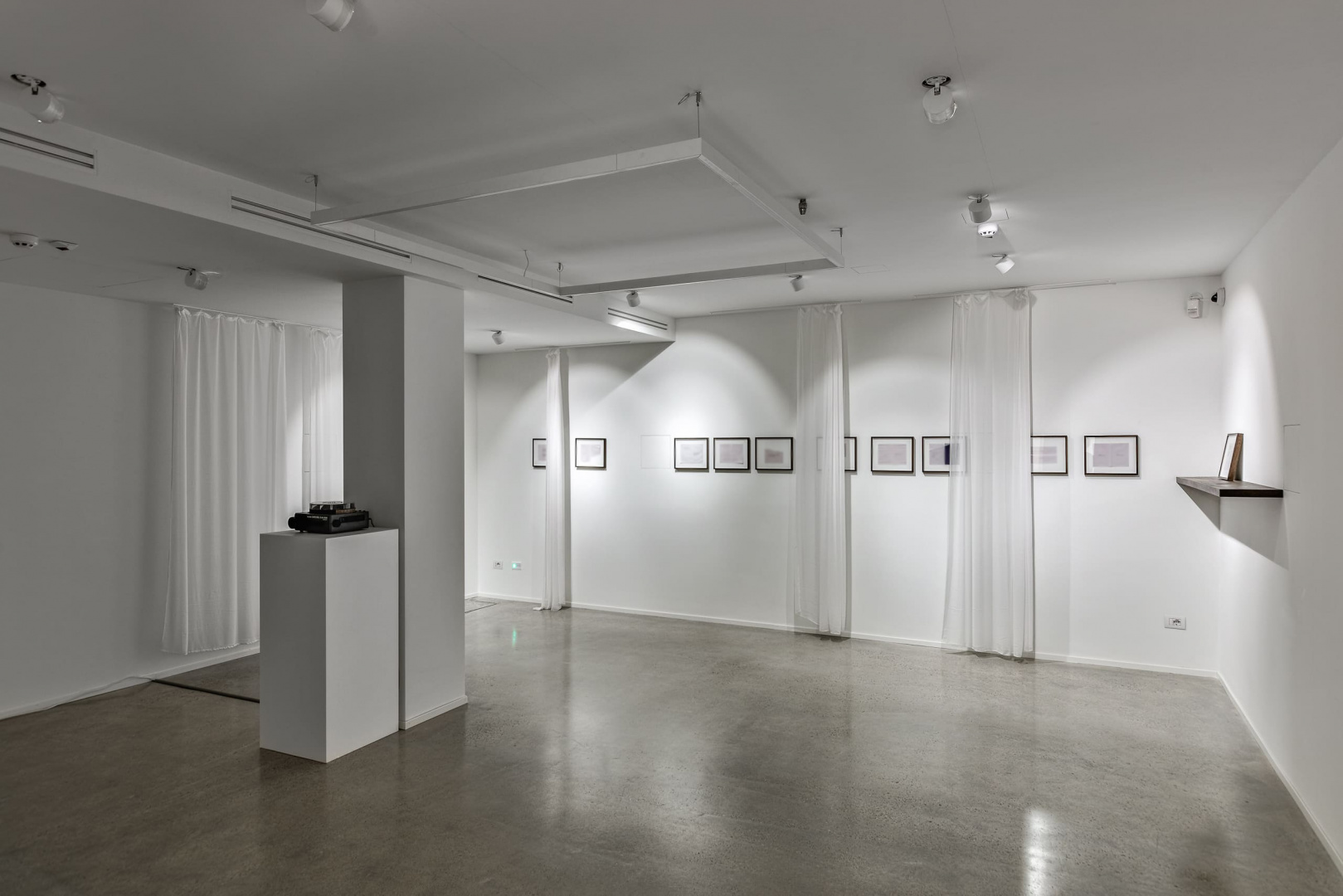
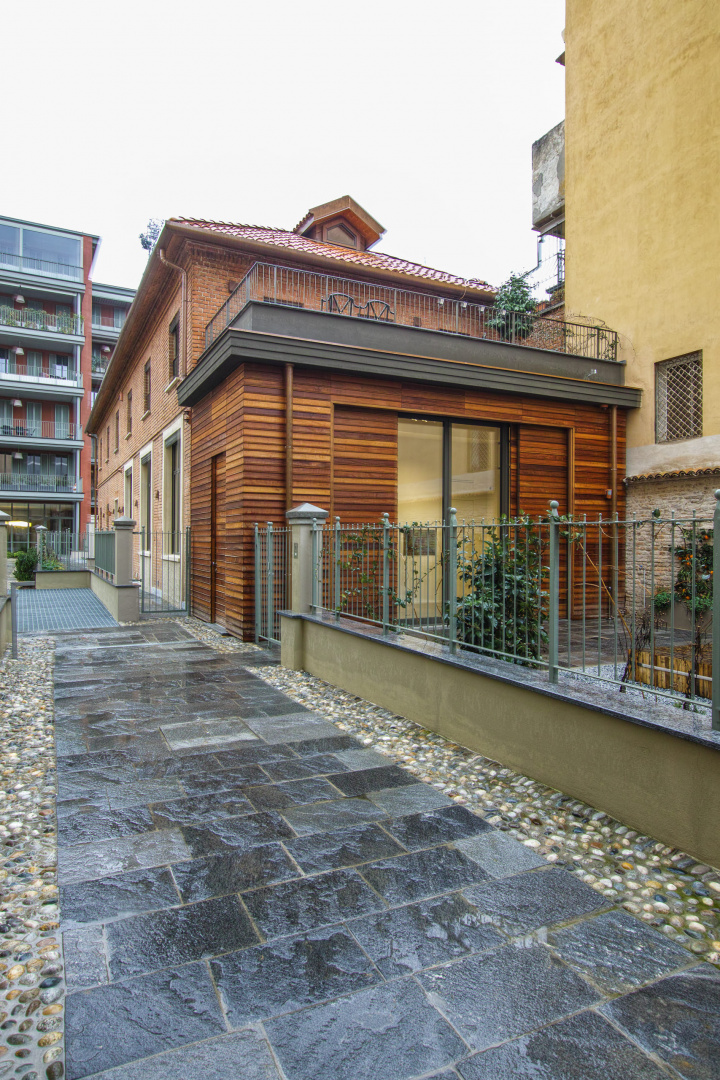
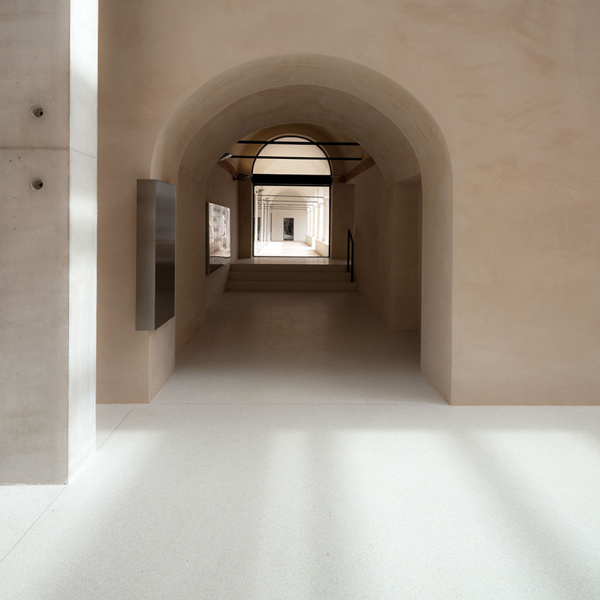
The intervention carried out for the Fondazione Elpis concerns the redevelopment of the internal flooring of an exhibition center in the heart of Milan, created inside a former industrial laundry that was active until the mid-1980s. The complex, arranged over three levels, underwent a complete renovation that involved stripping out the interiors and fully rebuilding the screeds, transforming a former production facility into a space dedicated to artistic research and the exhibition of works by artists from all over the world. Within this context, the architectural project required a continuous surface, neutral yet strongly characterizing, capable of supporting intensive use and dialoguing with the building’s industrial identity, preserved through exposed brick ceilings.
Isoplam’s involvement and the choice of Microverlay
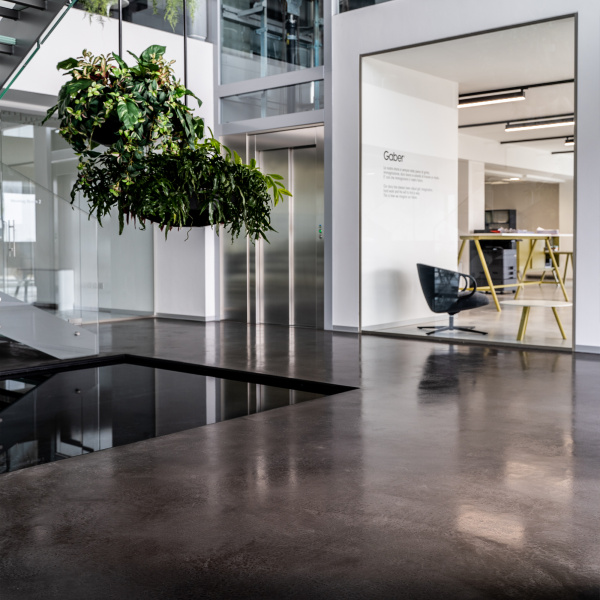
The request for intervention on the flooring was brought to Isoplam by architect Giovanna Latis, appointed to oversee the redevelopment, who involved the company to identify a technical solution suitable for a high-traffic exhibition context, with significant loads resulting from the handling of artworks. Isoplam was engaged at a preliminary stage of the construction process, collaborating in the definition of materials and finishes through the on-site presentation of samples. On the company’s recommendation, Microverlay was selected: a continuous, joint-free and grout-free coating with a thickness of just 2 mm, chosen by the architect in its smoothest variant from among several chromatic and material options.
Aesthetics, logistics, and application: a solution designed for high-intensity use spaces
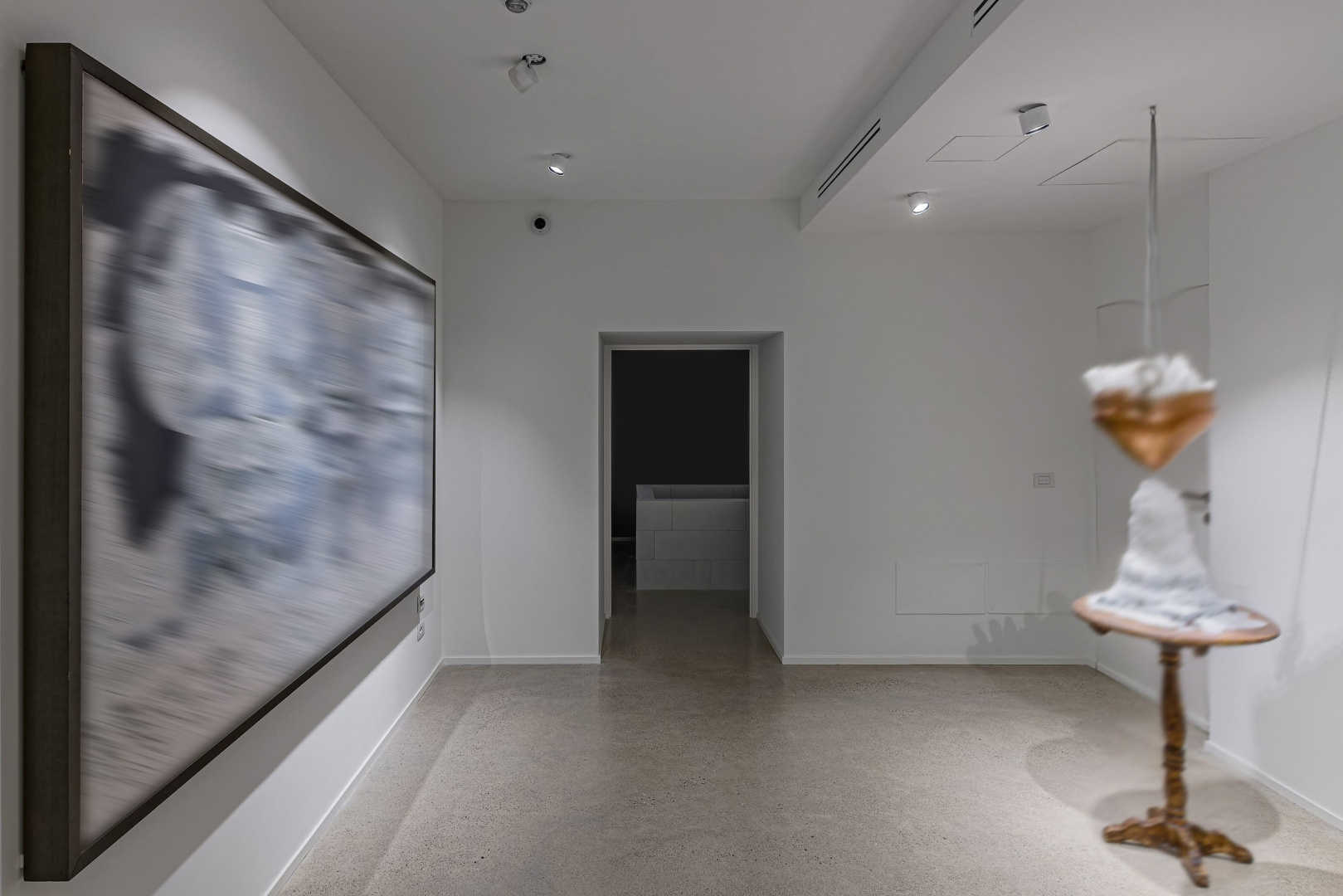
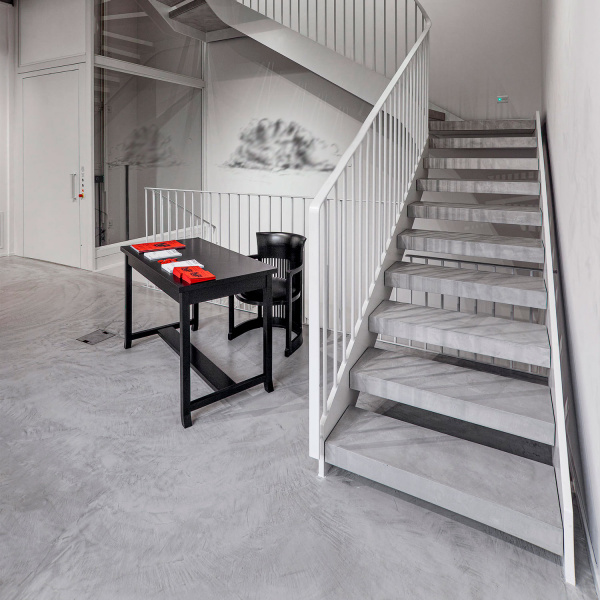
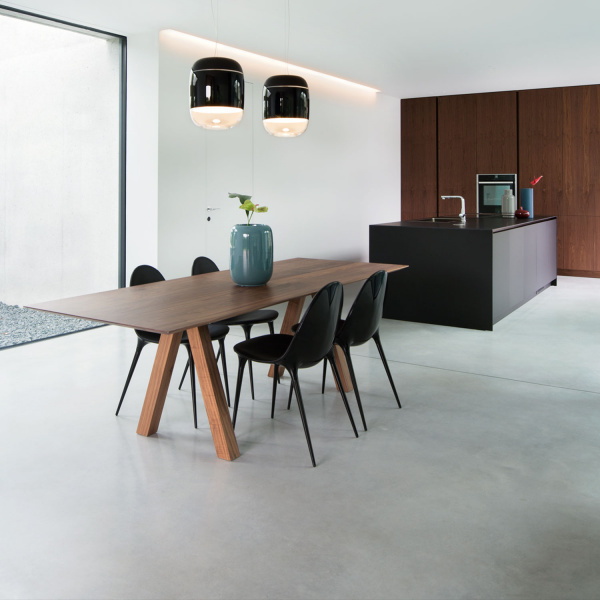
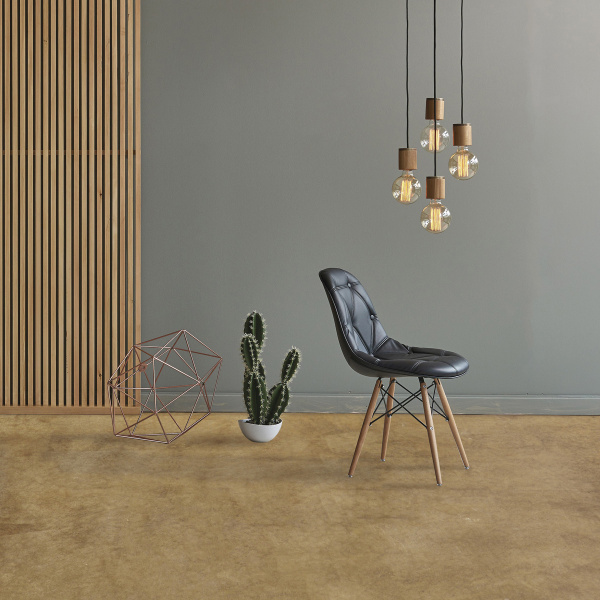
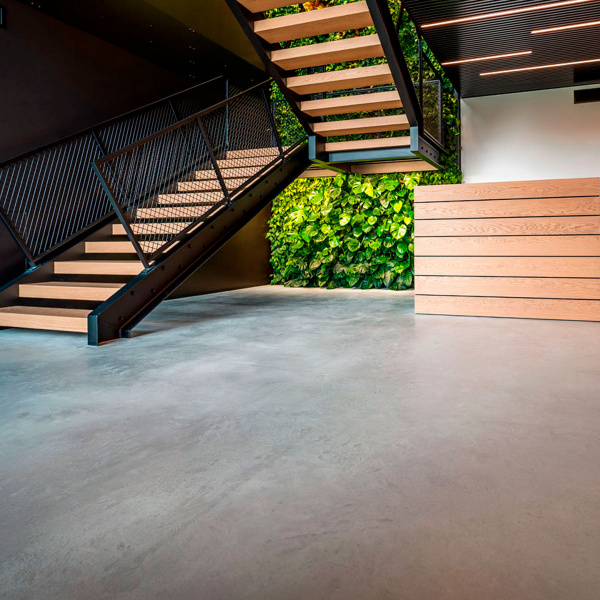
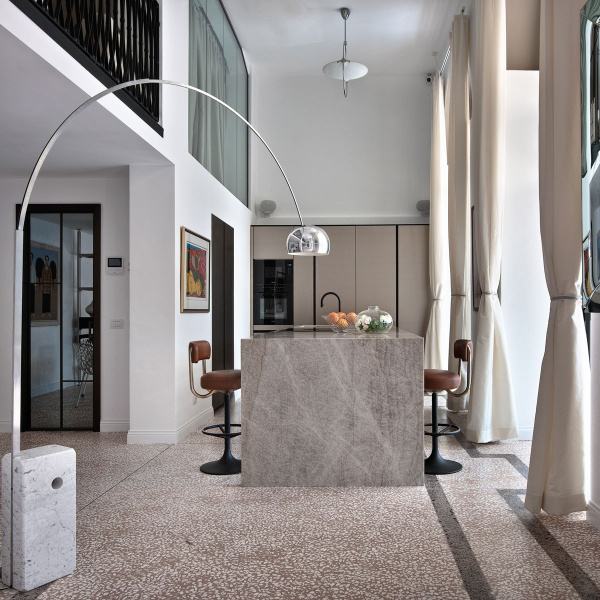
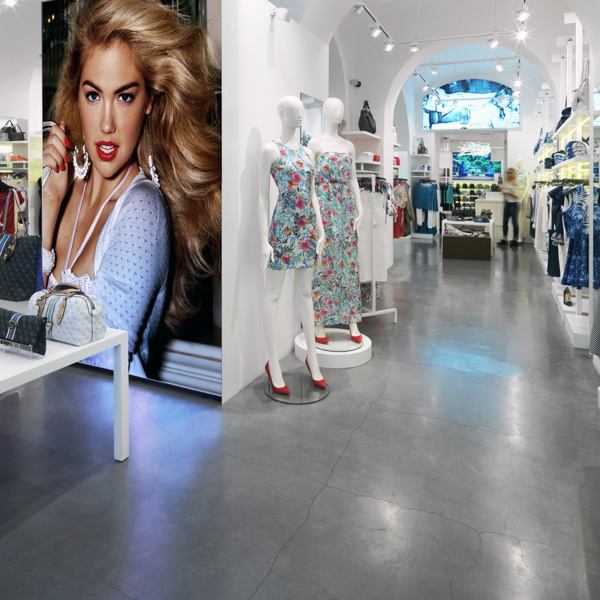
The adopted solution addresses multiple levels of complexity. Overall, Microverlay made it possible to achieve a homogeneous, contemporary cement effect, compatible with the industrial atmosphere of the space and with museum requirements. More specifically, the deliberately fluid and dynamic texture – described by the architect as reminiscent of a “bowling ball” – creates a calibrated contrast with the roughness of the brick ceilings, without being intrusive with respect to the exhibited artworks. The material is supplied in powder and liquid polymer form, transportable in lightweight containers, a decisive characteristic for a construction site in a central urban area where vehicle access is highly restricted. Applied by trowel in three successive coats, Microverlay was then sanded and polished using fine-grit abrasives to achieve a perfectly continuous surface; edges and corners were finished manually, while the joints present in the underlying screed were correctly brought to the surface and sealed.
Custom details and long-term performance
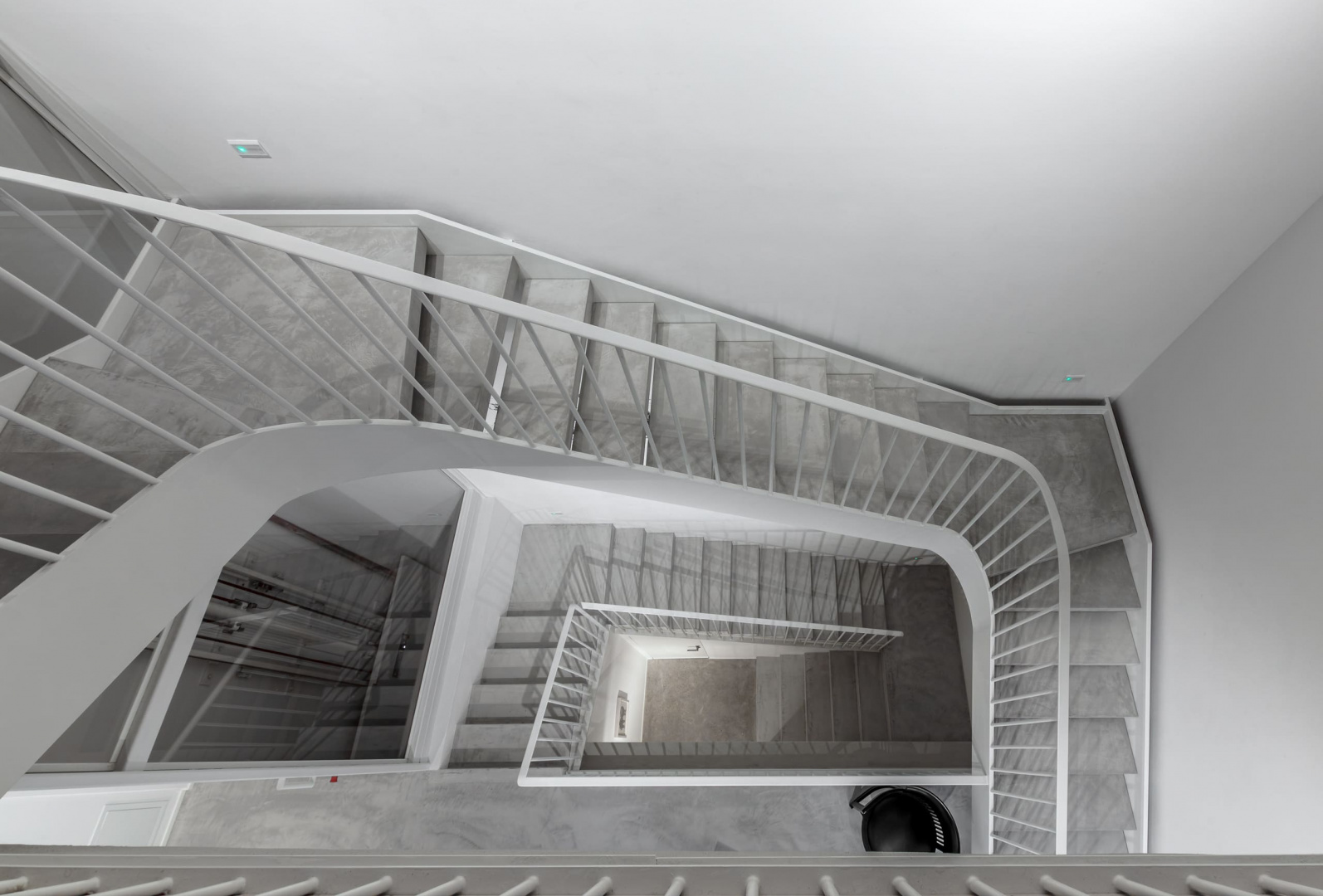
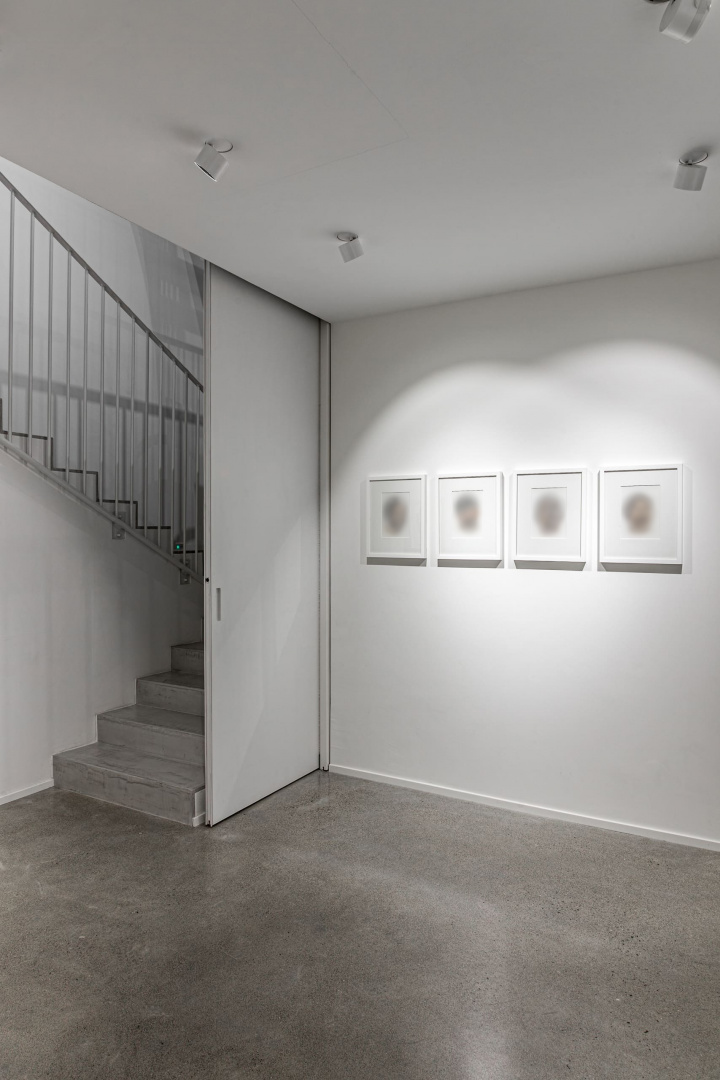
The work was carried out in close collaboration between Isoplam and the project team, with continuous dialogue regarding finishes and application solutions. A specific contribution also concerned the internal staircase: the treads, made of wood according to the architect’s design, were sent to the Isoplam laboratory, where they were coated with the same Microverlay after the application of a suitable bonding primer for wooden substrates, and subsequently protected with a transparent matte treatment. The finished treads were then reinstalled on site by the client.
The intervention proved particularly effective in terms of strength and durability: the continuous surface withstands the passage of carts and pallet trucks used for exhibition setup, maintaining stability and aesthetic quality over time. The result is a lightweight, high-performance, and highly controlled flooring system, the outcome of specialized artisanal construction rather than a simple product supply. The positive experience has led to further collaborations with other architectural firms and new projects within the Milanese context, confirming Microverlay as a technical and design solution for complex exhibition spaces with critical logistical constraints.